
Pulmonary Embolism: A Silent Threat That Needs Fast Cure
Pulmonary embolism is a serious medical condition that many people have heard about, but yet few truly understand. As a pulmonary specialist, I often listen from patients this one opinion, “I didn’t ever thought, it was something that could happen to me.” but the truth is, pulmonary embolism can affect people in any age and any backgrounds, especially when certain risks are present.
Pulmonary embolism happens when a blood clots start blocking blood flow in the lung. Most of the time, this blood clot starts under a deep vein of the leg, this condition known as deep vein thrombosis or DVT, and then it travels through the blood to the lung. When this happens, the lung and heart face sudden stress, and the body sometimes not get enough oxygen.
Because pulmonary embolism can become life threatening in some cases, understanding the symptoms, causes, and warning signs can save your life.
What Is Pulmonary Embolism?
Pulmonary embolism is a desease that occurs when one or more blood clot blocks an artery in the lung. This blockage interrupts normal blood flow in your body, which disturbs how oxygen moves through the blood and into the body. The lung tissue due to the blockage can be damaged, and the heart need more effort to push blood through small vessels.
In many cases, pulmonary embolism started with deep vein thrombosis / DVT. A clot, that forms in a deep vein, mostly in the leg, causing leg pain, swelling, and warmth. If the clot breaks free, it move through the blood and lodges in the lung.
Pulmonary embolism is not always dangerous at first. Some cases are common, while others are sudden and severe. This is why early recognition of symptoms matters.
Symptoms of Pulmonary Embolism
Symptoms of pulmonary embolism can vary from person to person. Some people feel discomfort, while others face sudden and severe symptoms that need urgent medical attention.
Common symptoms include:
- Shortness of breath, which may appear quickly or worsen over time
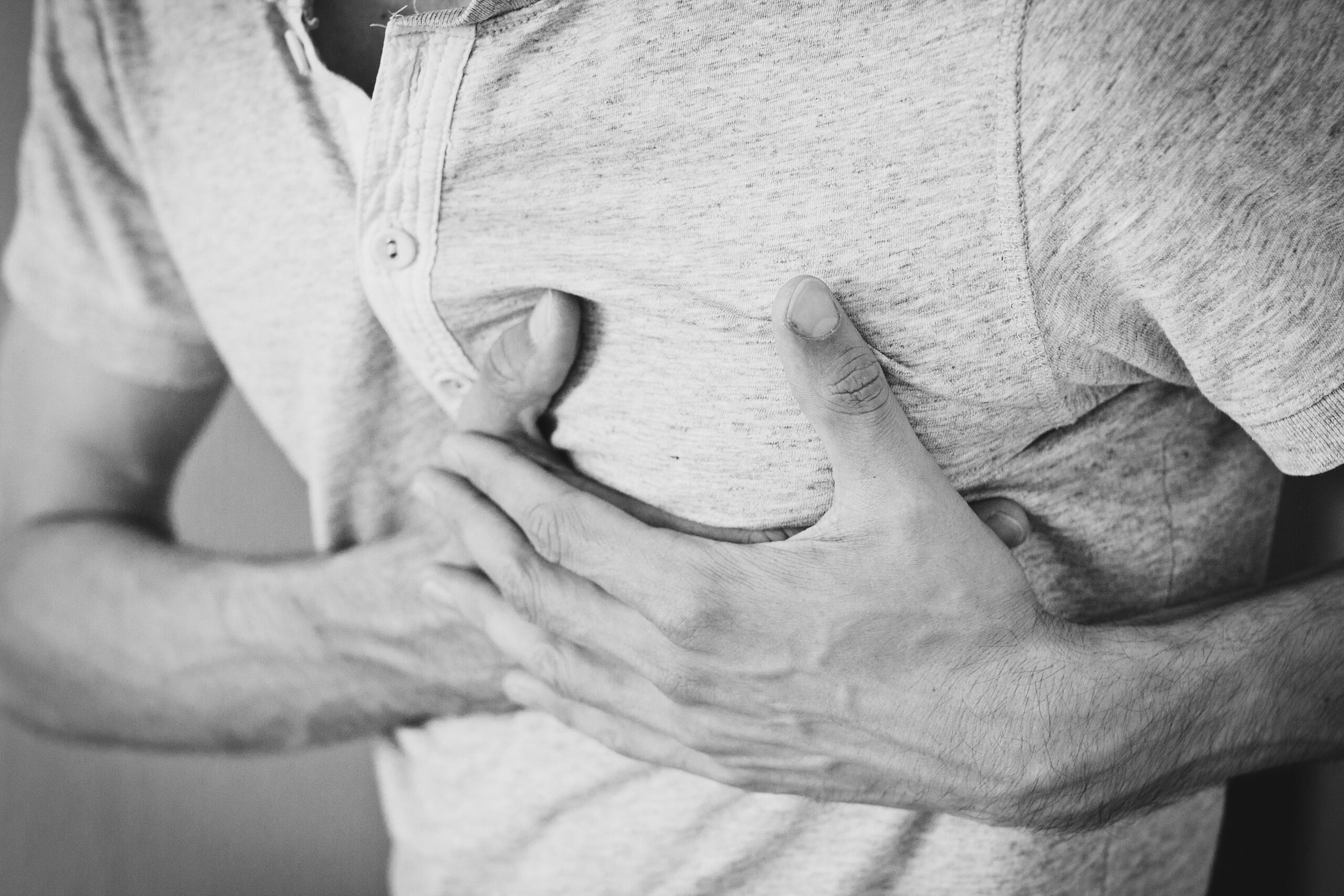
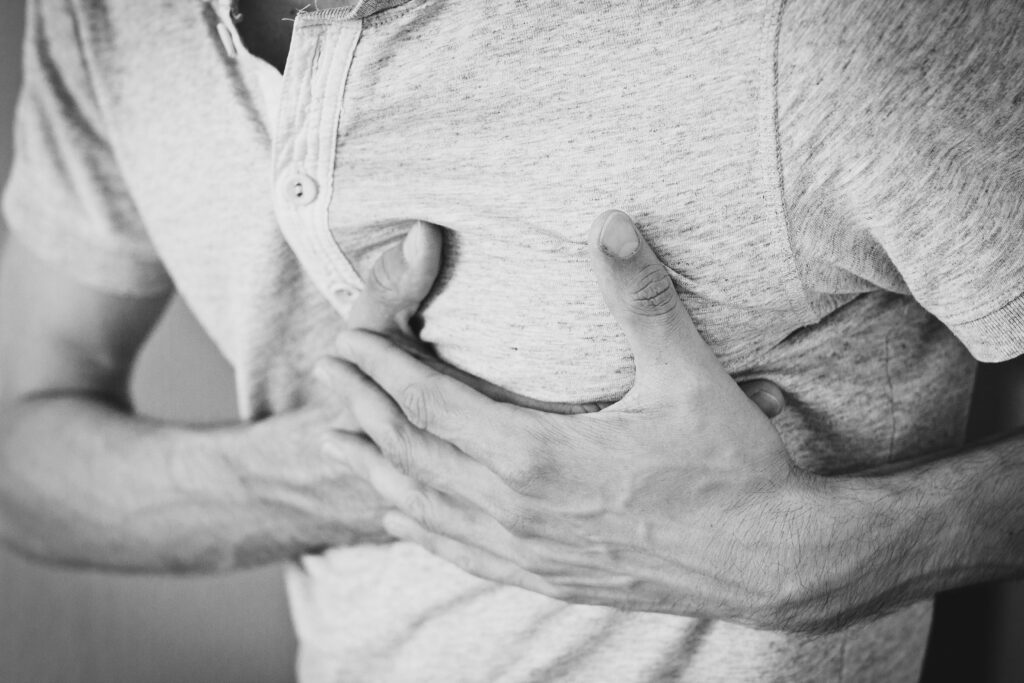
- Chest pain, often sharp, and worse when patient take a deep breath
- Fainting, this is also called syncope, and may happen without warning
Lightheadedness, dizziness, or confusion
- Excessive sweating, sometimes with clammy skin
- Irregular heartbeat or fast heart rate
- Cyanosis, a bluish color of the lips or fingers due to low oxygen
Chest pain is also one of the most alarming symptoms, and it can feel same as heart attack. Shortness of breath could occur even when you are taking rest, and fainting or syncope can be the first sign in severe pulmonary embolism cases.
If pulmonary embolism is suspected, this is not a “wait and see” situation. It requires urgent medical treatement.
The Link Between DVT and Pulmonary Embolism
Deep vein thrombosis / DVT is one of the most common source of pulmonary embolism. In DVT, a blood clot get shape in a deep vein, sometimes in the calf or thigh. This could cause pain in leg, swelling, redness, or tenderness.
Leg pain should never be avoid, especially when it affects one leg more than the other. DVT can also exists quietly, without clear symptoms, until the clot circulate in blood and move to the lung and causes pulmonary embolism.
Risk factors for DVT and pulmonary embolism contains long periods of sitting, recent surgery, pregnancy, certain medications, and an hidden disease that disturb clotting or blood flow.
How Pulmonary Embolism Affects the Heart and Lung
Pulmonary embolism places quick attack on both the lung and the heart. The lung stop exchanging oxygen, and the heart start pumping harder for moving blood through blocked vessels. Over time, this could lead to heart failure, low blood pressure, or even unexpected collapse.
People who already suffering heart disease or an irregular heartbeat are at higher risk of complications. In severe cases, pulmonary embolism could cause fainting, syncope, or shock.
The heart reacts quickly to the blockage, that increass the heart rate. heart trying to compensate. Without effective treatment, this strain can cause big damage.
When Symptoms Are Severe
Some warning signs show a large or dangerous pulmonary embolism:
- Sudden chest pain and shortness of breath
- Fainting or syncope
- Severe lightheadedness
- Cyanosis and clammy skin
- Fast heart beat and low blood pressure
These signs show that the body is struggling to deliver oxygen in blood. At this point, urgent medical attention is necessary.
Diagnosis and Medical Care
Doctors diagnose pulmonary embolism by blood tests, x-ray of the lung, and scans that show blood flow. Once confirmed, treatmen shoould be immediate.
Treatment could include blood thinners to stop the blood clot from growing, medications to dissolve clots, or procedures to operate the clot in severe cases. Early treatment greatly improves results and save both the lung and heart.
Patients are sometimes advised to manage risk factors, treat underlying disease, and stay active to reduce clot formation in future.
Living After Pulmonary Embolism
Recovery after pulmonary embolism depends. Some people recover in just few weeks, while others needs months to become healthy again. Shortness of breath and chest pain may linger but usually improve with time.
Follow up care is first of all. Patients may be advised to notice leg pain, watch for signs of DVT, and take medications as prescribed by doctor to prevent forming of another blood clot.
Awareness is key. Understanding symptoms, analyzing warning signs, and knowing when to seek treatement can prevent recurrence.
When to Seek Help
If you or someone near you experiences chest pain, sudden shortness of breath, fainting, syncope, or signs like cyanosis and excessive sweating, go for urgent medical attention immediately.
If your condition is severe or having some concerns, Quickly Request an Appointment with ayour doctor. Most of the information can also be found from some trusted sources like Family Health Book or related specialists.
Healthcare facility centers also provide guidance regarding treatement under Products & Services, helping patients manage clot risk and recover faster.